Wisdom Teeth Removal and Swelling: How to Manage It
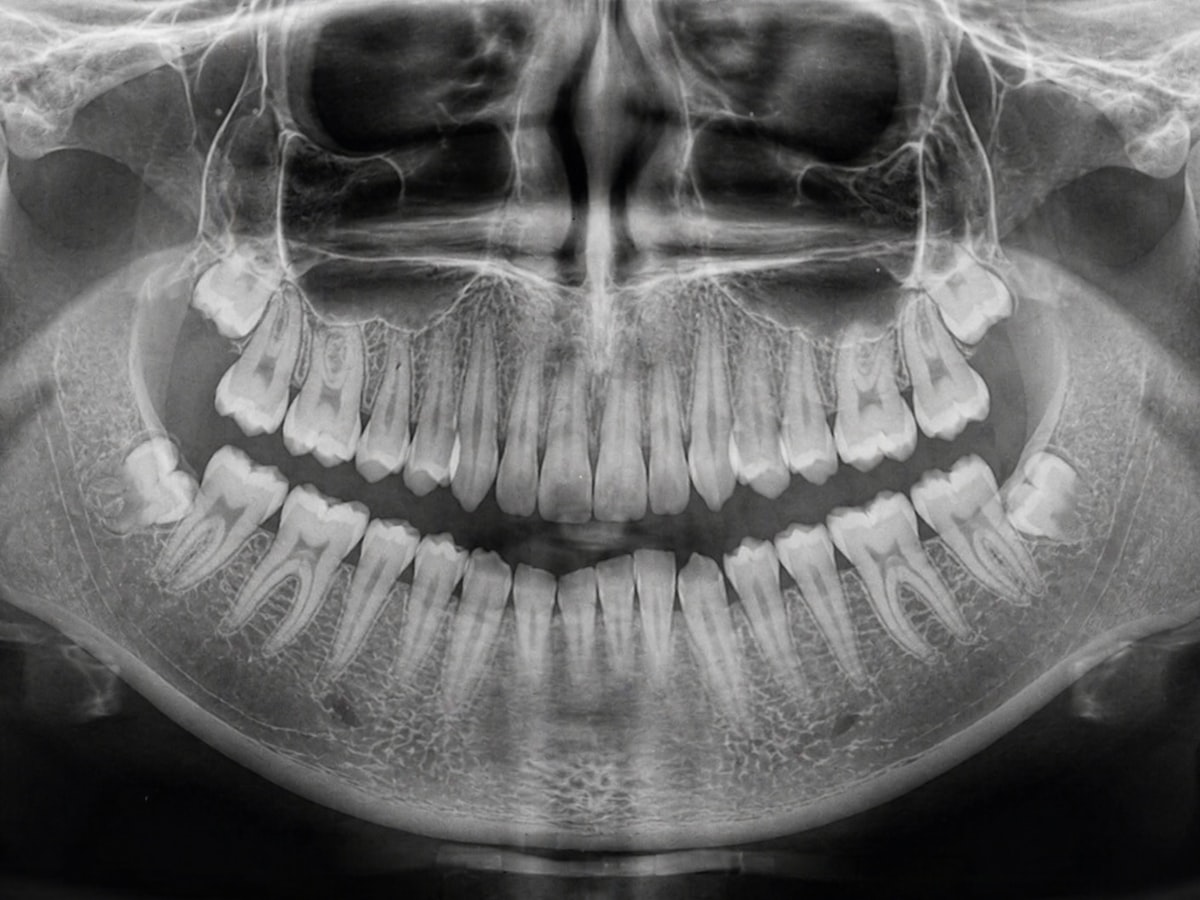
Swelling after wisdom teeth removal is so common that most oral surgeons treat it as part of the normal recovery arc, not a sign that something has gone wrong. Even so, it can be unsettling. Patients often expect some soreness, but they are surprised by how puffy the cheeks can look on day two or three, how stiff the jaw feels when they try to open wide, or how the swelling seems worse after the procedure instead of better.
That pattern is usually normal. In fact, with wisdom teeth removal, swelling often peaks around 48 to 72 hours after surgery before it starts to settle. The body responds to surgical trauma with inflammation. Blood flow increases, fluid moves into the surrounding tissues, and the face can look fuller on one or both sides depending on which teeth were removed and how difficult the extraction was.
What matters is not whether swelling happens, but whether it stays within the expected range and how well you manage it at home. Good aftercare can make the recovery much easier, cut down on discomfort, and help you spot the difference between ordinary postoperative swelling and a problem that needs prompt attention.
Why swelling happens after wisdom teeth removal
Wisdom teeth sit at the back of the mouth, often in awkward positions. Some erupt normally, but many are partially trapped under the gum or angled against the neighboring molar. When a surgeon removes an impacted tooth, the procedure may involve lifting gum tissue, removing a small amount of bone, and sometimes sectioning the tooth into pieces. Even when the surgery is smooth, the surrounding tissues have been manipulated.
The body’s inflammatory response is what creates the swelling. This is not inherently bad. It is part of healing. Think of it as the body sending extra fluid, cells, and chemical signals to the area to start repair. The trade-off is that the same process that supports healing also creates pressure, puffiness, and stiffness.
In practice, not every wisdom tooth surgery produces the same amount of swelling. A simple upper wisdom tooth extraction in a tooth that is fully erupted may leave very little visible swelling. A deeply impacted lower wisdom tooth, especially one close to the jawbone and lying sideways, can lead to much more pronounced facial fullness and soreness.
Age matters too. Younger patients often heal more quickly and with less stiffness. People in their late twenties or thirties sometimes notice a tougher recovery because the bone is denser and the roots may be more developed. Smoking, poor sleep, dehydration, and not following aftercare instructions also tend to make swelling and discomfort worse.
What normal swelling looks and feels like
Normal swelling is often more noticeable than many people expect. The cheek may look rounded, the jawline may lose some definition, and opening the mouth can feel tight. Some patients describe it as feeling like they have a golf ball tucked inside the side of the face. That description is common, especially after lower wisdom teeth removal.
Mild bruising can also appear. It may show up as yellow, blue, or green discoloration along the cheek or down toward the jawline a few days later. Bruising looks dramatic but is usually harmless. The same goes for a low-grade fever in the first day, slight oozing from the extraction site, and soreness that radiates toward the ear or throat.
One detail that catches people off guard is asymmetry. If one wisdom tooth was more difficult to remove, that side can swell much more than the other. A lopsided face on day two is not unusual. It often reflects the complexity of the extraction rather than a complication.
The timing helps tell the story. Most patients feel some numbness on the day of surgery from local anesthetic. Once that wears off, soreness and swelling begin. The swelling usually grows over the next two or three days, then slowly recedes. By the end of the first week, many people still have some puffiness, but it is clearly moving in the right direction.
The first 72 hours make the biggest difference
The early recovery window is when small decisions matter most. If you rest, use cold therapy correctly, stay hydrated, and protect the blood clots in the extraction sites, you usually get a smoother recovery. If you smoke, keep poking at the area with your tongue, rinse too hard, or overexert yourself, swelling often lingers and pain rises.
Cold packs are one of the most effective tools in the first day or two. They help constrict blood vessels and can reduce the amount of fluid Wisdom Teeth Removal that builds up in the tissues. The key is to use them early. Once swelling is fully established, ice is much less helpful. Patients who wait until day three to start icing are often disappointed, because the moment when it could blunt the inflammatory response has already passed.
Head position matters more than most people realize. Lying completely flat can encourage more throbbing and facial fullness. Sleeping with the head slightly elevated often makes the night more tolerable and can reduce morning swelling. It is a small adjustment, but it helps.
Activity level matters too. Heavy exercise, lifting, bending over repeatedly, or rushing back into a physically demanding job can increase blood flow and aggravate swelling or bleeding. Most people do better when they treat the first couple of days as true recovery time rather than trying to power through.
A practical plan for the first few days
The most useful aftercare advice is usually simple and repetitive. Good recovery does not depend on one perfect trick. It depends on doing the basics consistently.
- Use a cold pack on the outside of the face for about 15 to 20 minutes at a time during the first 24 to 48 hours, with breaks in between.
- Take prescribed or recommended pain medicine on schedule, especially before the numbness fully wears off, if your surgeon has advised that approach.
- Drink plenty of fluids and choose soft foods that require very little chewing, such as yogurt, eggs, soup that is not too hot, oatmeal, smoothies eaten with a spoon, or mashed potatoes.
- Keep your head elevated when resting and avoid strenuous activity for several days.
- After the first day, begin gentle rinsing if your surgeon advised it, often with warm salt water, but do not swish aggressively.
Those points sound basic because they are. Yet they are Wisdom Teeth Removal also where many setbacks begin. A patient feels decent by the evening, eats crunchy food, returns to the gym the next day, or forgets to drink enough water. By day two, the jaw is tighter, the cheek is larger, and the pain medicine seems less effective. Recovery is rarely ruined by one mistake, but several small ones in a row can make a noticeable difference.
Ice first, heat later
People often ask whether they should use ice or heat. The answer depends on the day.
Cold is usually best in the first 24 to 48 hours. Its role is to limit the initial inflammatory response and numb the area a bit. After that, warm compresses may become more useful, particularly if the main issue is stiffness rather than fresh swelling. Warmth can improve circulation and help tight jaw muscles relax.
This shift is especially helpful for patients who struggle to open their mouth on day three or four. The medical term is trismus, but most people just say their jaw feels locked or tight. That can happen after lower wisdom teeth removal because the muscles used for chewing sit close to the surgical site and can become irritated. Warm compresses, time, hydration, and gentle jaw movement usually improve it.
A common mistake is using heat too early. If the face is still actively swelling in the first day, warm packs can make it feel more congested. Another mistake is putting ice directly on the skin for too long. That can irritate the skin without adding benefit. A cloth barrier and short intervals work better.
Eating without making swelling worse
Food choices affect more than comfort. They can influence hydration, pain, and how much you disturb the extraction sites. Right after wisdom teeth removal, the safest approach is to keep food soft, bland, and easy to manage.
Temperature matters. Very hot foods and drinks can increase bleeding and make the area feel more inflamed, especially on the first day. Lukewarm or cool foods are usually easier. Texture matters just as much. Crunchy chips, toasted bread, rice, seeds, and small grains can get lodged near the sockets and irritate healing tissue. That is not just uncomfortable, it can create a lot of anxiety when patients think something is stuck and start probing the area.
Protein and fluids are worth paying attention to. Patients who barely eat for two days often feel weak, headachy, and more miserable overall. Even if you are not hungry, try to get calories and liquids in. A scrambled egg, a bowl of soup, cottage cheese, applesauce, or a smoothie taken carefully without a straw can make a real difference. Straws are often discouraged because the suction can disrupt the blood clot and increase the risk of dry socket.
Medication can help, but timing matters
Swelling and pain are related, but they are not identical. Pain medicines may reduce discomfort without changing the visible puffiness very much, while anti-inflammatory medicines may do both. Your surgeon may recommend ibuprofen, acetaminophen, a combination of both, or prescription medication depending on your case and medical history.
The timing matters as much as the choice. If you wait until the pain is severe, it is harder to regain control. Many surgeons suggest staying ahead of the first day of pain by taking medication as directed rather than reactively chasing symptoms. That does not mean taking more than instructed. It means keeping a steady, safe schedule.
If antibiotics were prescribed, take them exactly as directed. Not every wisdom tooth extraction requires antibiotics, and they should not be used casually. But if your surgeon prescribed them because of infection risk, existing swelling before surgery, or a difficult case, finishing the course is usually important.
Patients sometimes stop taking anti-inflammatory medicine too early because they feel fairly good on day one. Then day two arrives, which is often the peak swelling day, and they are caught off guard. If the medication plan given by your surgeon covers several days, there is usually a reason for that.
Keeping the mouth clean without disrupting healing
Cleanliness helps healing, but overcleaning can cause trouble. The extraction sites need time to form and hold stable blood clots. In the first 24 hours, vigorous swishing, spitting, or constant checking in the mirror can be counterproductive.
After that early period, gentle rinsing is usually helpful. Warm salt water is commonly recommended because it is simple, inexpensive, and soothing. The goal is not to sterilize the mouth. It is to reduce debris and keep the area reasonably clean without mechanical force.
Brushing should continue, but carefully. Avoid the surgical area at first if instructed, and do not use an electric toothbrush aggressively near the sockets. A clean mouth tends to feel better and smell better during recovery, which reassures patients who worry that every odd taste means infection.
One practical point that comes up often is the white or yellow film people see in the socket. They fear it is pus, but often it is fibrin, a normal part of healing tissue. Unless it is accompanied by worsening pain, bad swelling, fever, or foul drainage, it is usually not a problem.
When swelling may signal a problem
Most postoperative swelling is routine. The concern rises when the pattern changes. If swelling keeps increasing beyond the expected peak, becomes hard and hot, or is paired with symptoms that suggest infection or another complication, it should be assessed.
Here are the signs that deserve a call to your surgeon or dentist:
- swelling that gets worse after day three instead of gradually improving
- fever that persists or climbs, especially with chills or feeling ill overall
- difficulty swallowing, breathing, or opening the mouth that is severe or rapidly worsening
- pus, foul-tasting drainage, or a strong bad odor from the extraction site
- pain that suddenly intensifies after a brief period of improvement, particularly if it radiates and feels deep or throbbing
Dry socket is worth mentioning because patients often mistake it for swelling alone. Dry socket usually causes significant pain, often starting a few days after the extraction, but it does not always create dramatic external swelling. Infection, on the other hand, can produce increasing swelling, warmth, and sometimes drainage. The two are different, and treatment differs, so a professional evaluation matters if the recovery goes off script.
Special cases that recover a little differently
Not every patient fits the standard timeline. People who had four impacted wisdom teeth removed at once often swell more than those who had a single straightforward extraction. Lower wisdom teeth tend to cause more trouble than upper ones because of their anatomy and relationship to the jaw.
Patients with preexisting infection can have a bumpier course. If the tooth was removed because of repeated gum infection around a partially erupted wisdom tooth, called pericoronitis, the tissues may already have been inflamed before surgery. In that setting, postoperative swelling can be more pronounced.
People who clench or grind their teeth often report more jaw soreness and stiffness during recovery. The muscles are already prone to tension, and surgery can amplify that. For them, warm compresses after the initial swelling period may be especially useful.
If you are older, heal more slowly in general, or have a medical condition that affects recovery, your swelling may last longer. That does not automatically mean something is wrong. What matters is the direction of travel. A slow, steady improvement is reassuring, even if it takes longer than a younger person’s recovery.
What day five, day seven, and week two usually look like
By day five, many people can tell whether they are turning the corner. The swelling may still be visible, but it is usually softer and less tense. Eating remains somewhat limited, and the jaw may still feel stiff in the morning, yet the face should not look progressively larger.
By day seven, a lot of the visible swelling is often gone, though not always all of it. Patients may still notice tenderness if they press the cheek, some difficulty opening wide, or a lingering sense of fullness near the jaw angle. That can be normal, particularly after difficult lower wisdom teeth removal.
By week two, most swelling has usually resolved enough that other people no longer notice it. The inside of the mouth, however, may still be healing. Food can still collect in the lower sockets, and the gum tissue can remain sensitive. That longer internal healing often surprises people who assume they should be completely back to normal the moment the face looks normal.
A few recovery myths worth clearing up
A very common myth is that more rinsing means faster healing. In reality, aggressive rinsing early on can do more harm than good. Another is that no swelling means the extraction was done better. Sometimes that is true, but anatomy and impaction depth often play a bigger role than surgical skill alone.
Patients also worry that any bruising means something was done incorrectly. It usually means the tissues bled a little under the skin, which is common after oral surgery and often depends on individual tendency as much as technique. Some people bruise dramatically from a minor procedure, while others barely discolor after a major one.
Another misconception is that if the swelling peaks on day two or three, the body must be reacting badly. That timing is actually textbook for many patients. What matters more is whether it starts easing after that point.
The bottom line during recovery
Swelling after wisdom teeth removal is expected, manageable, and usually temporary. The body is doing the work of healing, and the face reflects that for a few days. Most patients do best when they respect the first 72 hours, use cold early, switch to gentle warmth later if needed, stay hydrated, eat soft foods, and avoid habits that disturb the extraction sites.
If the swelling follows the usual pattern, increases for a couple of days, then slowly fades, you are likely on track. If it keeps building, becomes paired with fever, drainage, severe worsening pain, or trouble swallowing or breathing, get in touch with your dental surgeon promptly. Knowing that difference is what turns a stressful recovery into a manageable one.
Oxnard Dentistry
1730 E Gonzales Rd, Oxnard, CA 93036, United States
+1 805-307-8731
FAQ About Wisdom Teeth Removal
How painful is it to remove a wisdom tooth?
Local anesthetic numbs the area during extraction. Pressure may still be noticeable; tell the dentist if you feel pain. Soreness and swelling afterward are common. Follow the pain-control instructions provided for your situation.
How long is recovery for wisdom teeth extractions?
Recovery varies with the tooth position and complexity of the extraction. Some people resume routine activities quickly, while others need several days of rest. Soreness, swelling and jaw stiffness can last up to two weeks. Follow your clinician's aftercare and activity advice.
What are the risks of wisdom tooth removal?
Possible complications include dry socket, infection, persistent bleeding and changes in sensation from nearby nerve injury. Your dentist or oral surgeon should explain your individual risks before treatment. Seek prompt dental advice for bleeding that will not stop, fever, or severe or worsening pain and swelling.